
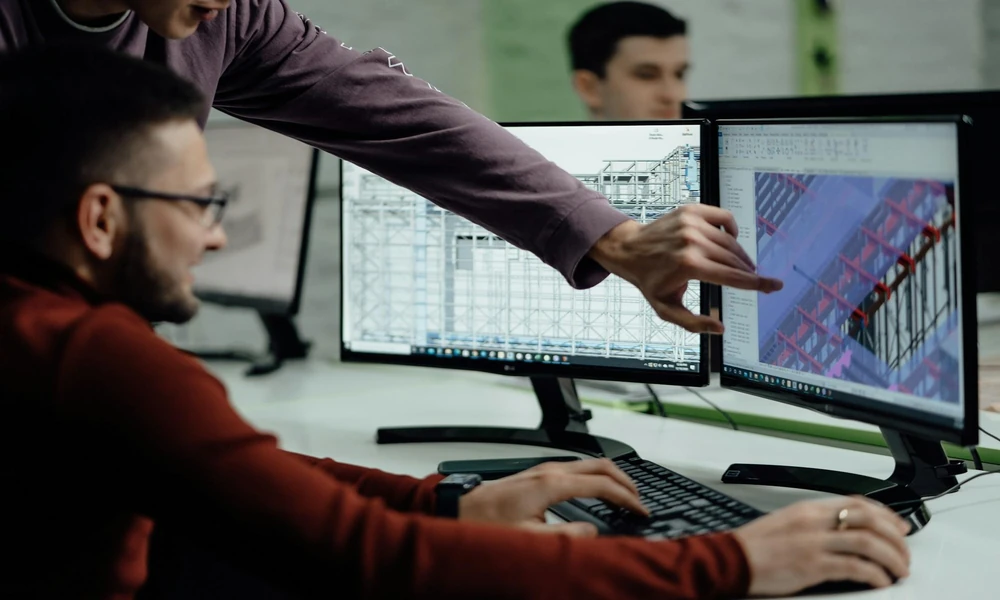
Ask JP Conte where the value hides in American manufacturing, and he’ll point you away from the buildings. The interesting money, the way he tells it, lives in the software and services bolted to the machinery inside them.
Conte is the founder and managing partner of his family office, Lupine Crest Capital, and a longtime private-equity investor. He describes industrial technology in concrete terms: production scheduling, quality inspection, equipment monitoring, warehouse management. None of it is glamorous. All of it becomes essential the moment a factory switches on.
What Counts as Industrial Technology
The category covers the digital tools that run a plant’s daily work. Scheduling software decides what runs when. Inspection systems catch defects before they ship. Monitoring tools flag a failing motor before it stops a line, and warehouse platforms track goods from the dock to the truck.
These tools share a trait that any investor should like. Once a plant installs them and trains its people, swapping them out gets costly and risky, so buyers rarely do it. That stickiness, to JP Conte, reads as a sign of dependable, repeat business.
Why Recurring Contracts Matter
Recurring revenue is the heart of the appeal. A factory doesn’t buy monitoring software once and walk away; it pays for updates, support and service across the life of equipment that can run a decade or more. Income of that shape is easier to forecast, and it’s harder for a rival to steal.
These contracts also tend to grow. When a plant adds a line or a second shift, its software and service agreements usually expand to match, so a single account can widen over time without a fresh sales fight. That quiet, compounding growth is the part Conte values.
A Bigger Base to Serve
Reshoring strengthens the whole picture. As more production returns to North America, more plants need coordinating and more machines need watching, and the installed base for these suppliers keeps getting larger. Every new facility is a candidate for the scheduling, inspection and monitoring software JP Conte finds most durable.
It all fits the ownership style he’s practiced for years, holding businesses for the long haul rather than flipping them for a quick gain. Steady, contracted cash flow suits a patient owner. Jean-Pierre Conte argues that factory software delivers it in a sector most headlines ignore. For a patient owner, dependable revenue in an unglamorous corner of manufacturing is close to the whole appeal, and he doesn’t need it to be flashier than that.
